Rostock port: getting there & the terminal
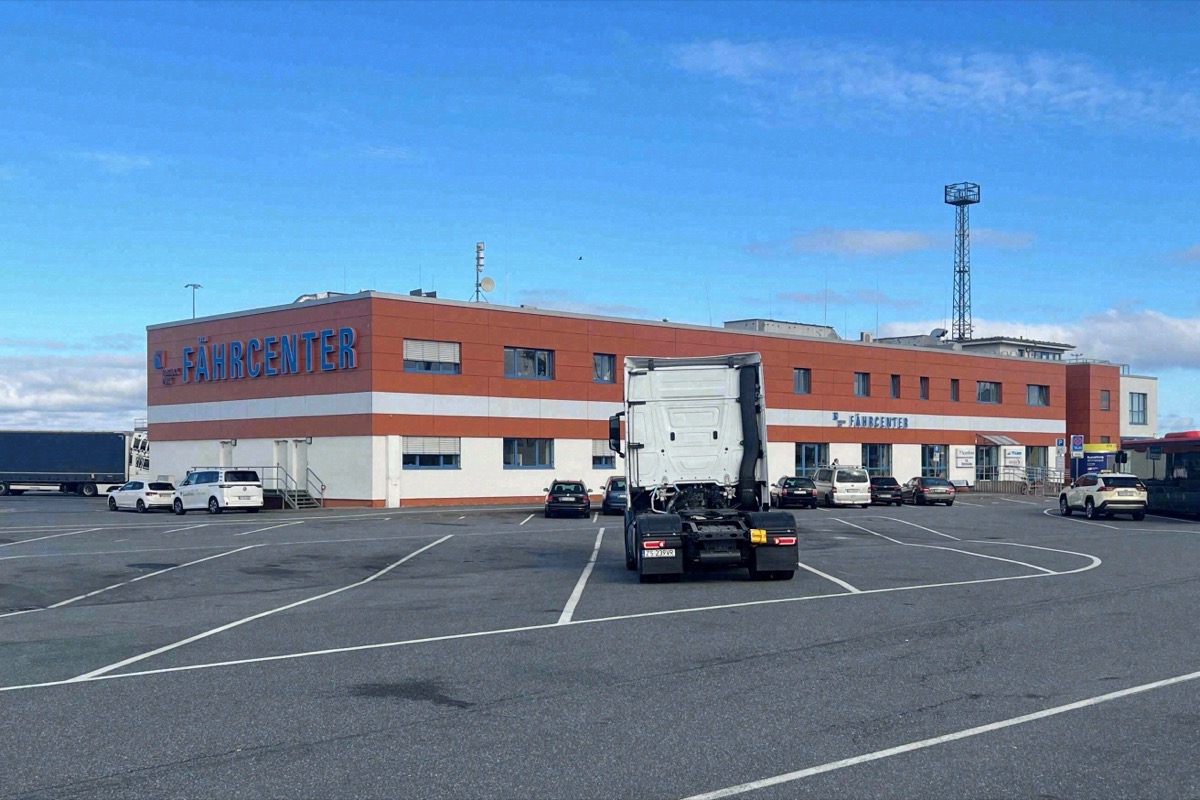
The Scandlines terminal is in the Überseehafen, around 10 kilometres north of the city centre. Here is how to get there with or without a car, and what to expect at the terminal.
- Zum Fährterminal 1, 18147 Rostock
- Direct exit from the A19
- Shuttle bus for foot passengers
Getting to Rostock ferry terminal
Table of Contents
The Scandlines berth is in Rostock's Überseehafen, Zum Fährterminal 1, 18147 Rostock. It is around ten kilometres north of the city centre, and the ferry port has nothing to do with Warnemünde and its cruise terminal. Type the wrong address into your sat nav and you will quickly end up on the other side of the Warnow.
Arriving by car
From Berlin you come via the A19, from Lübeck or Stralsund via the A20; at the Rostock motorway interchange, switch to the A19 towards Überseehafen. The exit is called Rostock-Überseehafen and is signposted all the way.
After that, a four-lane access road leads into the port area. Follow the signs for the ferry port and Gedser: other lines also sail from the Überseehafen, and the signs list them all. After about two and a half kilometres on Am Skandinavienkai, turn off at the "Zum Fährterminal" sign and you are at the check-in lanes.
In peak season and on holiday weekends, allow an extra half hour, as traffic backs up on the access road.
Arriving without a car
Rostock main station has ICE and IC services, around two hours from Berlin and about two and a half from Hamburg. From the main station, the onward journey has two legs:
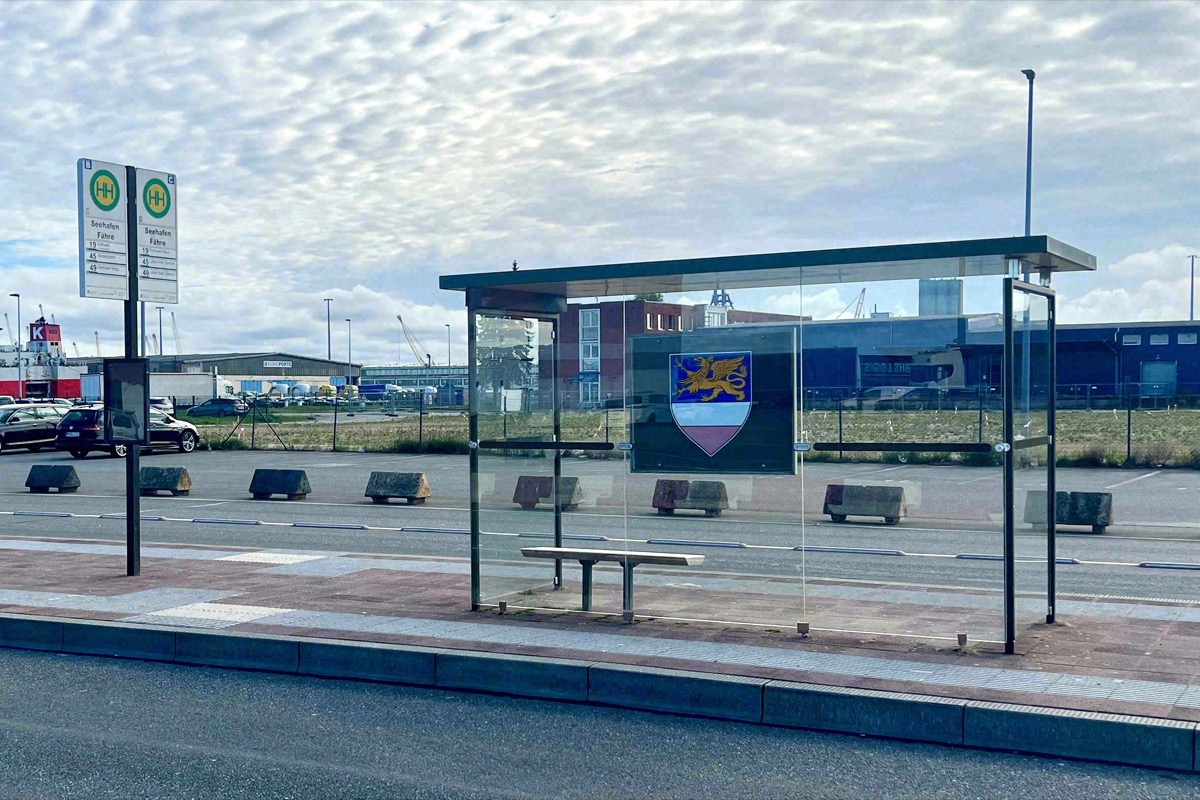
- S-Bahn S1 towards Warnemünde to Lütten Klein, about every 15 minutes during the day, with a journey time of around 15 minutes.
- Bus 45 or 49 from Lütten Klein station to the Seehafen Fähre stop, about every 30 minutes, with a journey time of around 20 minutes. The stop is at the passenger terminal.
For travel within Rostock you need a ticket from the Verkehrsverbund Warnow, the local transport network. Allow around 40 minutes in total from the main station, plus time for the change.
At the terminal
With a vehicle, you join the check-in lanes directly: blue for cars up to 6 metres with check-in at the machine, yellow for staffed check-in of longer vehicles, motorcycles and bicycles. After check-in, staff direct you to a waiting lane, and from there you drive onto the vehicle deck.
As a foot passenger, you check in at the passenger terminal. As the berth cannot be reached on foot, a free shuttle bus takes you to the ship; it leaves around 20 minutes before departure and the ride takes only a few minutes. That is why check-in for foot passengers is earlier in Rostock than in Gedser. With a bicycle, on the other hand, you ride into the yellow lane at least 30 minutes before departure and roll on board like the cars. The full process is on the check-in page.
One of the ferry company's two BorderShops is also right by the terminal. There is free Wi-Fi in the waiting area.
Parking and accessibility
The short-stay car park P1 is right by the ferry centre. For a longer stay, use P2 or P2a south of the building. You cannot reserve a space. Before you travel, check the current site plan and parking charges from ROSTOCK PORT, as conditions can change.
The ferry centre has accessible entrances and facilities. ROSTOCK PORT shows them on an official overview plan of the accessible terminal. If you are travelling with a vehicle and need assistance, state this when you book, use the yellow lane and be at the port 30 minutes before departure if possible. The process and the handover to the crew are described on the check-in page.
Onward travel from Rostock
After arriving from Gedser, the same access road takes you back onto the A19. Berlin is around 250 kilometres away, and Hamburg about 200 via the A20. Without a car, take the shuttle bus, bus and S-Bahn to the main station. For anything else to bear in mind on the return from Gedser, see the Gedser-Rostock Ferry page; the Danish side is covered on Gedser Port & Ferry Terminal.
FAQ
Common questions about Rostock port
What address do I put into the sat nav? +
Zum Fährterminal 1, 18147 Rostock Überseehafen. Enter the Überseehafen as your destination, not the city harbour (Stadthafen) and not Warnemünde.
How do I get to the terminal without a car? +
From Rostock main station, take the S-Bahn towards Warnemünde to Lütten Klein, then bus 45 or 49 to the Seehafen Fähre stop. Around 40 minutes in total.
How far is it from the terminal to the ship? +
With a vehicle, you drive straight on board. As a foot passenger, a free shuttle bus takes you from the terminal to the ferry; it leaves around 20 minutes before departure.
When do I have to be at check-in? +
With a vehicle, 15 minutes before departure at the latest; on foot in Rostock, 30 minutes because of the shuttle bus. Allow at least 30 minutes. More on the check-in page.
Can I leave my car at the port? +
Yes. P1, right by the ferry centre, is for short stops, while P2 and P2a, south of the ferry centre, are for longer stays. You cannot reserve a space; ROSTOCK PORT publishes the current site plan and parking charges.
Book your ferry crossing
Get your ticket for the crossing between Rostock and Gedser.